
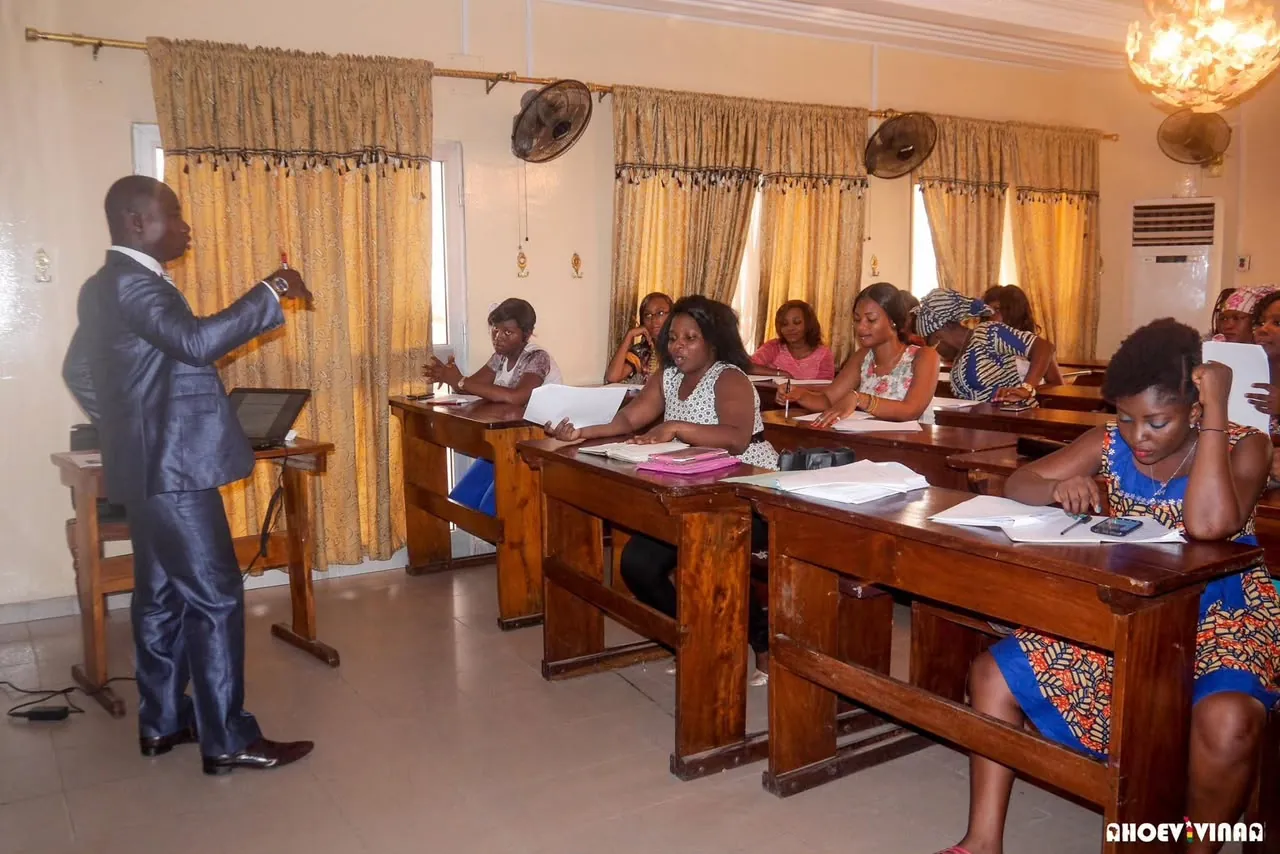
Quality education
Promoting access to quality education. This is the first of the five objectives set out in Article 5 of our statutes, and the one to which the greatest number of our projects are tied.
- Objective 1 of 5
- Article 5 of the statutes
- Area of work: education
The three requirements in the wording
The statutory wording holds in one sentence, but it sets three requirements in turn. Getting in, staying, learning: Article 5 names all three, and we follow them in that order.
01
Getting in
Three conditions add up: enrolment, fees covered at the moment the school asks for them, and the supplies required at the start of term.
02
Staying
Health, food, drinking water, distance from home: the conditions that decide whether a child stays in class lie mostly outside the school. That is why the health and wellbeing objective is directly tied to it.
03
Learning
Article 5 speaks of quality education: class sizes, supervision and working conditions therefore fall within the objective, just as access does.
The obstacles to schooling
Four obstacles arise, beyond enrolment itself: the timing of the fees, the supplies, the class sizes and the child’s work.
The timing of the fees
The school asks for the fees on a set date; the family does not have the sum on that date. It is the gap in timing that keeps the child out.
The supplies
Exercise books, slate, uniform, shoes: the list is required at the start of term and determines access to the classroom.
The class sizes
In an overcrowded class, the child remains counted among those enrolled without making progress.
The child’s work
Work before and after class cuts into homework time and attendance, until the child is withdrawn. Leaving school is one of the signals our objective on trafficking is aimed at.
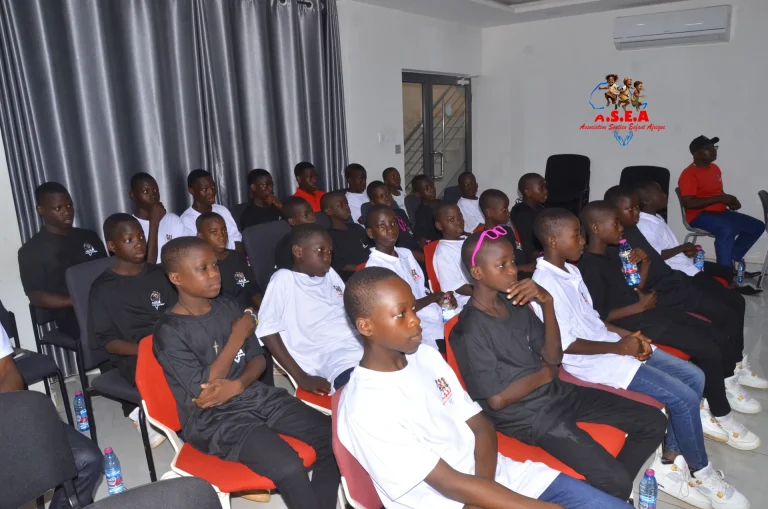
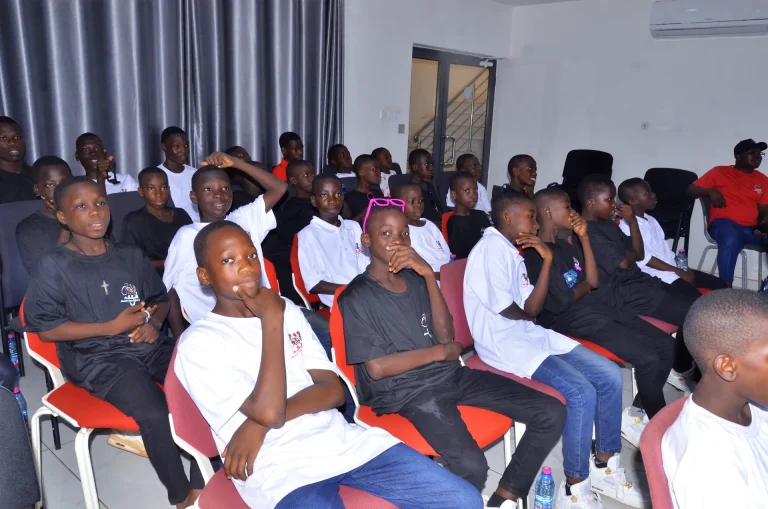
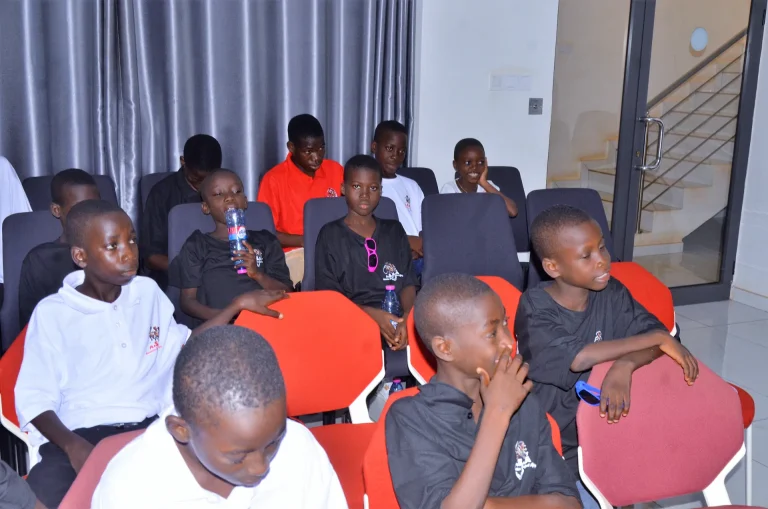
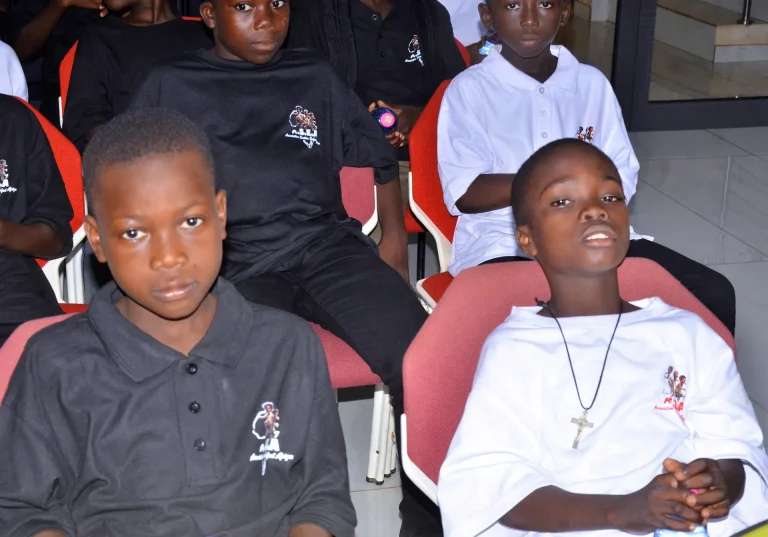
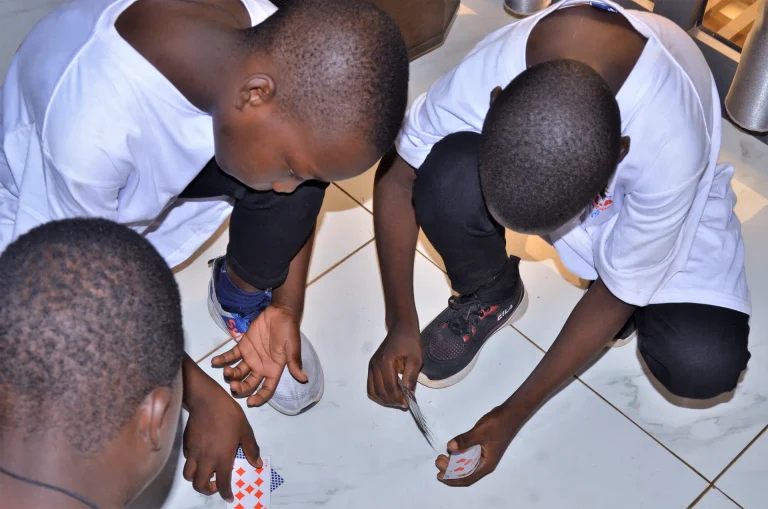
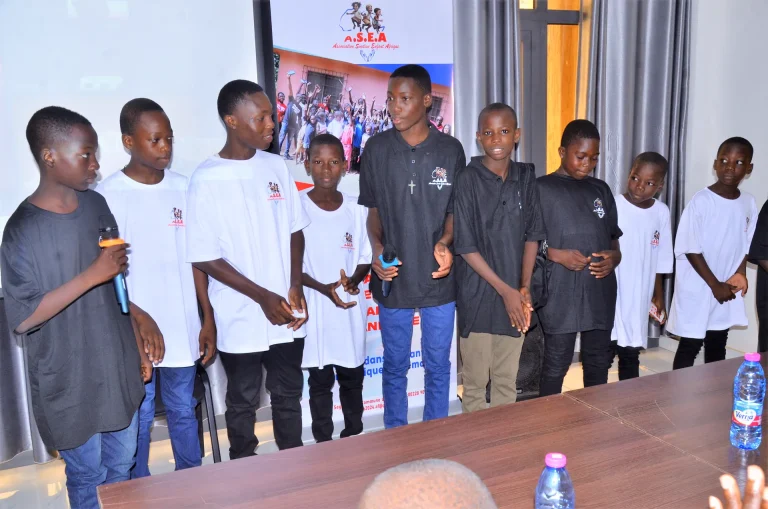
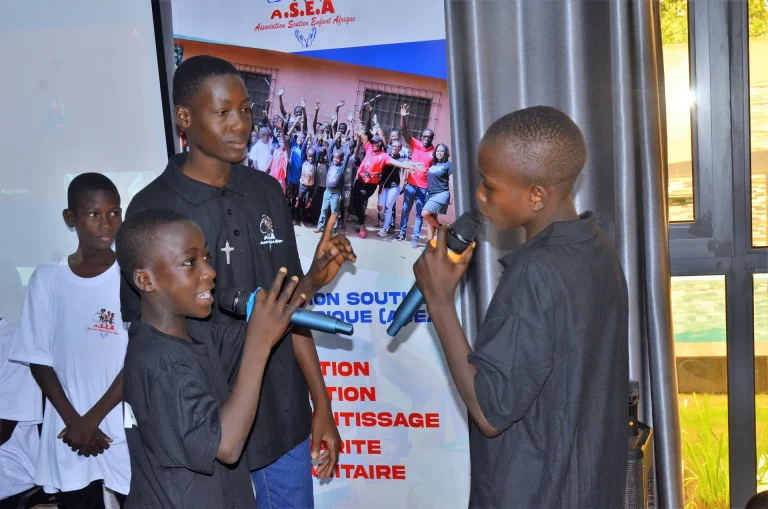
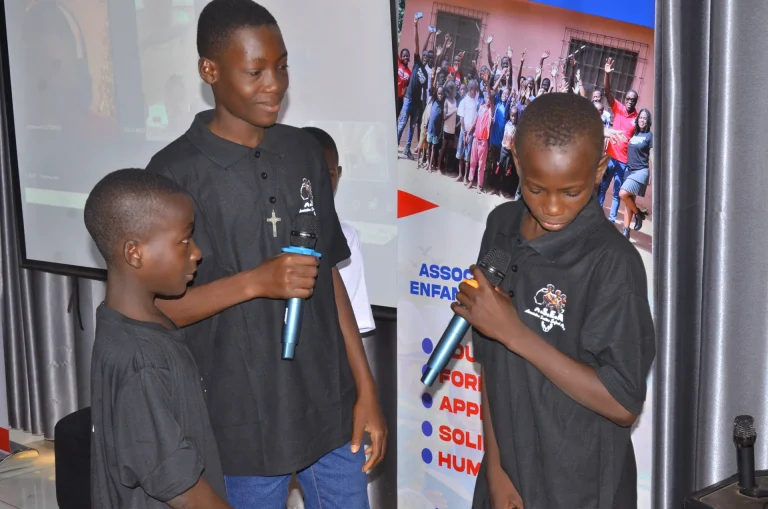
Education in pictures
The children we support, in the classroom and in workshops.
Ways we act
The objective belongs to the “education” area of Article 6. To achieve it, we use three of the four ways we act that Article 7 recognises. We carry them out together on a single project: we mobilise resources while we build, and a twinning brings us both.
Building
We build supervision and education facilities. We budget for upkeep and supervision from the start of the project, together with the structural work.
How we do thisMobilising resources
We mobilise human, financial and material resources. We seek skills and supplies as much as funds, which our current means do not allow us to buy.
How we do thisTwinning and partnerships
We twin with organisations working in the same areas. It is the framework through which we can carry out a project elsewhere on the continent.
How we do this
The other objectives
Schooling a child without looking after their health, or training them without opening a prospect of work, would leave aside dimensions that Article 4 asks us to take together.
Funding a child’s schooling
We receive no automatic funding: every schooling we support rests on the resources we manage to mobilise.